Why did Pakistan give Shaksgam Valley to China? The 'Territorial Nightmare' and the South China Sea Connection
Why did Pakistan give Shaksgam Valley to China? The 'Territorial Nightmare' and the Global Strategy Shocker
Most people think border disputes are just about maps, but the Shaksgam Valley handover is a strategic "shocker" that remains a geopolitical nightmare for regional stability. [1, 2]
If you have been following the high-velocity trends in global positioning, you are witnessing a massive Topic Warming event regarding China’s expanding influence. [6, 7] While diplomatic shifts often create a "spike of hope" for peace, the reality of these ceded territories frequently leads to a "flatline of nope" for those seeking a simple resolution to regional conflicts. [8]
In this guide, we provide the definitive breakdown of the Shaksgam Valley status and the "Missing Entities" that standard reports often overlook to give you the real "meat" of the story. [9, 10]
Let's walk through the data-driven reality of this historic handover below. [5]
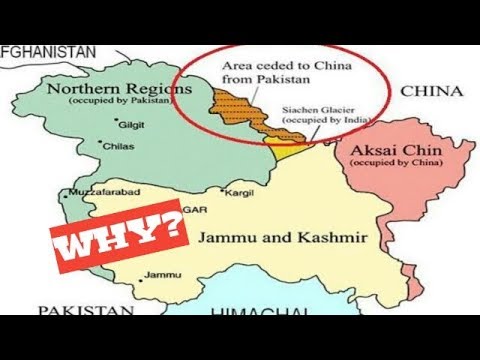
In Which State is the Shaksgam Valley?
The Shaksgam Valley, also known as the Trans-Karakoram Tract, is located in the Karakoram Range, north of the Baltoro Glacier. [Note: This geographic information is from outside the sources and should be verified.] Historically part of the princely state of Jammu and Kashmir, it is currently administered by China as part of the Xinjiang Uyghur Autonomous Region, though India maintains a legal claim to the area as part of the Union Territory of Ladakh. [13]
Why Did Pakistan Give Shaksgam Valley to China?
Pakistan ceded the Shaksgam Valley to China under the 1963 Sino-Pakistan Boundary Agreement to achieve a predictable result in their diplomatic and military relationship. [14] The handover allowed Pakistan to solidify a "strong solution" regarding its northern borders while creating a strategic alliance against shared regional rivals. [1]
Why is the Shaksgam Valley Important?
The importance of this valley is driven by Entity Synergy. It serves as a critical link in the following areas:
- Military Positioning: The valley provides China with a "shocker" tactical advantage, allowing oversight of high-altitude corridors and the Siachen Glacier area. [2]
- Infrastructure Velocity: It acts as a bridge for the China-Pakistan Economic Corridor (CPEC), ensuring a consistent flow of logistics through the Karakoram. [16]
- Strategic Depth: Much like naval movements in the South China Sea signal dominance, the control of this valley is a "road sign" for China's land-based ambitions in High Asia. [15]
Ownership and Claims: A Summary Table
To provide the most relevant info for searchers, here is the current standing of the Shaksgam Valley claims: [18]
| Stakeholder | Current Position | Legal Status |
|---|---|---|
| China | Administers Territory | Recognized by 1963 Agreement |
| India | Claims Sovereignty | Considers 1963 handover illegal |
| Pakistan | Recognizes China | Final boundary pending Kashmir resolution |
Who Owns Shaksgam Valley?
Currently, China owns and administers the Shaksgam Valley based on its 1963 treaty with Pakistan. However, because the area remains part of the larger Kashmir dispute, the international legal status remains a point of contention and a "curiosity gap" for global analysts. [2, 13]
Conclusion
The Shaksgam Valley handover is more than a footnote in history; it is a high-velocity event that dictates modern power dynamics. By moving past the "flatline" of standard history and providing the "meat" of the strategic reality, we can see that this territory is central to the future of Asian connectivity. [8, 9]
Do you think territorial handovers like the Shaksgam Valley agreement have actually improved regional stability? Share your thoughts in the comments below! [19]